ความผันผวนของราคาพลังงานโลกที่เกิดจากความไม่สงบในตะวันออกกลาง กำลังส่งแรงสะเทือนมาถึงชีวิตประจำวันของคนไทยอย่างหลีกเลี่ยงไม่ได้ ตั้งแต่ต้นทุนการขนส่ง ราคาสินค้า ไปจนถึงค่าครองชีพที่มีแนวโน้มขยับตัวสูงขึ้นตามต้นทุนพลังงานที่แพงขึ้นอย่างต่อเนื่อง นอกจากผลกระทบที่มีต่อคนไทยแล้ว วิกฤตครั้งนี้ยังเปิดให้เห็นอีกหนึ่งสิ่งสำคัญคือ “จุดอ่อนเชิงโครงสร้างของระบบพลังงานไทย” ที่ยังคงพึ่งพาการนำเข้าพลังงานจากต่างประเทศในสัดส่วนที่สูง และยังไม่มีความยืดหยุ่นมากพอที่จะรองรับวิกฤตพลังงานที่เกิดขึ้นซ้ำแล้วซ้ำเล่าได้อย่างมั่นคง
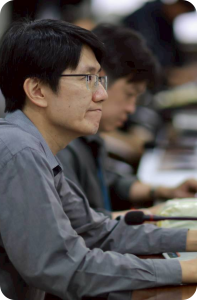
ศ. ดร.นวดล เหล่าศิริพจน์ ผู้อำนวยการบัณฑิตวิทยาลัยร่วมด้านพลังงานและสิ่งแวดล้อม (JGSEE) มหาวิทยาลัยเทคโนโลยีพระจอมเกล้าธนบุรี มองว่า วิกฤตครั้งนี้เป็น “สัญญาณเตือนที่สำคัญ” ให้ประเทศไทยต้องทบทวนยุทธศาสตร์ด้านพลังงานอย่างจริงจังอีกครั้ง เพราะเมื่อประเทศไทยยังต้องพึ่งพาการนำเข้าน้ำมันดิบในสัดส่วนสูง ทุกครั้งที่เกิดความผันผวนจากต่างประเทศ ไทยก็จะได้รับผลกระทบหนักกว่าที่ควรจะเป็น ทั้งในมิติของปริมาณพลังงานสำรอง ต้นทุนการนำเข้า เสถียรภาพของระบบพลังงานทั้งประเทศ จนส่งผลกระทบต่อเศรษฐกิจในภาพรวม
“วิกฤตพลังงานรอบนี้ไม่ใช่ครั้งแรกที่ไทยเจอ ก่อนหน้านี้เราก็เคยผ่านช่วงที่ราคาน้ำมันขึ้นไปเกิน 40 บาทมาแล้ว เพียงแต่ที่ผ่านมาเราอาจยังไม่ได้เอาบทเรียนจากอดีตมาปรับใช้จริงจังเท่าที่ควร เพราะฉะนั้นโจทย์ของไทยตอนนี้ไม่ใช่แค่รอรับมือว่า วิกฤตจะมาเร็วหรือมาช้า แต่คือทำอย่างไรให้ประเทศมีระบบพลังงานที่ยืดหยุ่นมากขึ้น และสามารถรับมือกับความผันผวนที่อาจเกิดขึ้นได้ดีกว่าเดิม”
ศ. ดร.นวดล ชี้ว่า ไทยยังไม่ใช่ประเทศที่ไร้ทางเลือกด้านพลังงาน เพราะเรามีจุดแข็งสำคัญจากการเป็นประเทศเกษตรกรรมซึ่งมีชีวมวลเป็นจำนวนมาก ที่สามารถพัฒนาเป็นพลังงานของประเทศได้มากกว่าที่เป็นอยู่ หากมีนโยบายที่ชัดเจนและต่อเนื่อง ทั้งพลังงานหมุนเวียน พลังงานจากชีวมวล ระบบกักเก็บพลังงาน และการเพิ่มประสิทธิภาพการใช้พลังงาน จะเป็นกลไกสำคัญที่ช่วยลดการพึ่งพาพลังงานจากต่างประเทศ และสร้างความมั่นคงให้ระบบพลังงานไทยในระยะยาว
ศ. ดร.นวดล มองว่า ในช่วงวิกฤตพลังงานขณะนี้ ไทยอาจใช้ถ่านหินเป็นทางออกชั่วคราวเพื่อช่วยกดต้นทุนค่าไฟและรักษาเสถียรภาพของระบบไฟฟ้าได้ แต่ไม่ควรใช้เป็นคำตอบระยะยาว เพราะถ่านหินมีต้นทุนด้านสิ่งแวดล้อมที่สูงและต้องเผชิญแรงกดดันจากกติกาด้านปริมาณคาร์บอนของโลกมากขึ้น ขณะที่ทางออกที่เหมาะสมกว่าในระยะต่อไป คือการใช้ LNG หรือก๊าซธรรมชาติเป็นพลังงานในช่วงเปลี่ยนผ่าน ควบคู่กับการเร่งเพิ่มสัดส่วนพลังงานหมุนเวียนอย่างเหมาะสม เพื่อค่อย ๆ ลดการพึ่งพา LNG ลงในระยะกลางและระยะยาว โดยย้ำว่า ระบบพลังงานของไทยในอนาคตไม่ใช่การใช้พลังงานอย่างใดอย่างหนึ่ง แต่ยังจำเป็นต้องอาศัยการผสมผสานพลังงานหลายรูปแบบให้ทำงานร่วมกันเพื่อประสิทธิภาพการใช้พลังงานสูงที่สุด
ศ. ดร.นวดล ระบุว่า วิกฤตพลังงานรอบนี้ จะเป็นได้ทั้งอุปสรรคและตัวเร่งของประเทศไทย ขึ้นอยู่กับว่าประเทศจะเลือกรับมืออย่างไร หากมองเพียงการประคองสถานการณ์เฉพาะหน้า วิกฤตนี้ก็อาจเป็นเพียงภาระที่เพิ่มขึ้นอีกระลอก แต่หากใช้โอกาสนี้ทบทวนจุดอ่อนสำคัญของประเทศ โดยเฉพาะการพึ่งพาพลังงานนำเข้ามากเกินไป พร้อมเร่งผลักดันพลังงานสะอาด พลังงานที่ผลิตได้ในประเทศ และการเปลี่ยนผ่านทางเทคโนโลยี ก็อาจเปลี่ยนวิกฤตครั้งนี้ให้กลายเป็นจุดเปลี่ยนสำคัญของไทยในระยะยาว ขณะเดียวกัน “ไบโอดีเซล” ยังเป็นตัวอย่างที่สะท้อนโจทย์เชิงนโยบายได้ชัด เพราะแม้จะช่วยลดการนำเข้าน้ำมันและสร้างรายได้ให้เกษตรกร แต่หากขาดการสนับสนุนด้านราคาและนโยบายอย่างต่อเนื่อง ทางเลือกนี้ก็อาจถูกใช้แค่ในยามวิกฤต โดยไม่สามารถเติบโตเป็นฐานพลังงานหลักที่มั่นคงของประเทศได้
“ภาคขนส่งและโลจิสติกส์เป็นจุดที่เห็นผลกระทบชัดที่สุด เพราะยังใช้น้ำมันดีเซลเป็นหลัก ทำให้ต้นทุนที่เพิ่มขึ้นส่งต่อไปยังราคาสินค้าและค่าครองชีพของประชาชนโดยตรง ดังนั้น ทางออกจึงไม่ใช่แค่การส่งเสริมรถยนต์ไฟฟ้าเท่านั้น แต่ต้องมองทั้งระบบ ตั้งแต่การใช้ยานยนต์ไฟฟ้าสำหรับการขนส่งในเมือง การเพิ่มบทบาทของการขนส่งระบบราง การใช้ไบโอดีเซลในระบบขนส่งระยะไกล รวมไปจนถึงเชื้อเพลิงอากาศยานชีวภาพสำหรับภาคการบิน ซึ่งทั้งหมดนี้คือแนวคิดกรีนโลจิสติกส์ ที่จะช่วยลดทั้งต้นทุน ความเสี่ยงและการพึ่งพาน้ำมันจากต่างประเทศ”
เมื่อมองไปข้างหน้า นวัตกรรมพลังงานใหม่จะเป็นอีกทางเลือกสำคัญของไทยในการลดความเสี่ยงและเสริมความมั่นคงทางพลังงาน ไม่ว่าจะเป็นกรีนไฮโดรเจน เทคโนโลยีดักจับและกักเก็บคาร์บอน ระบบกักเก็บพลังงาน รวมถึง AI และ Big Data ที่ช่วยให้การบริหารจัดการพลังงานมีประสิทธิภาพมากขึ้น อย่างไรก็ตาม ศ. ดร.นวดล เห็นว่า ไทยไม่จำเป็นต้องเร่งใช้ทุกเทคโนโลยีพร้อมกัน แต่ควรเลือกให้เหมาะกับศักยภาพของประเทศ ซึ่งทั้งหมดนี้จะเกิดขึ้นได้จริงก็ต่อเมื่อไทยเร่งลงทุนพัฒนาคนและองค์ความรู้ควบคู่กันไป
ศ. ดร.นวดล กล่าวปิดท้ายว่า “บทเรียนสำคัญจากวิกฤตพลังงานครั้งนี้ ไม่ใช่เพียงเรื่องราคาน้ำมันที่แพงขึ้น แต่คือการทำให้ประเทศไทยต้องยอมรับความจริงว่า เราไม่อาจฝากอนาคตพลังงานของประเทศไว้กับความผันผวนจากภายนอกได้อีกต่อไป ดังนั้น ทางออกในระยะยาวจึงไม่ใช่แค่การมองหาพลังงานที่ถูกที่สุดในแต่ละช่วงเวลา แต่ต้องเร่งสร้างระบบพลังงานที่ยืดหยุ่นมากขึ้น พึ่งพาทรัพยากรในประเทศให้ได้มากขึ้น ใช้พลังงานอย่างมีประสิทธิภาพ และเลือกเทคโนโลยีที่เหมาะกับบริบทของไทย เพื่อให้ประเทศมีความมั่นคงและพร้อมรับมือกับวิกฤตพลังงานในอนาคตได้ดีกว่าเดิม”
บทความนี้ตีพิมพ์บนเว็บไซต์ มจธ.: https://www.kmutt.ac.th/news/research-innovation/03/04/2026/104398/